6 Oct 2026
How Incentive Structures in Online Spinning Games Respond to Digital Currency Market Swings
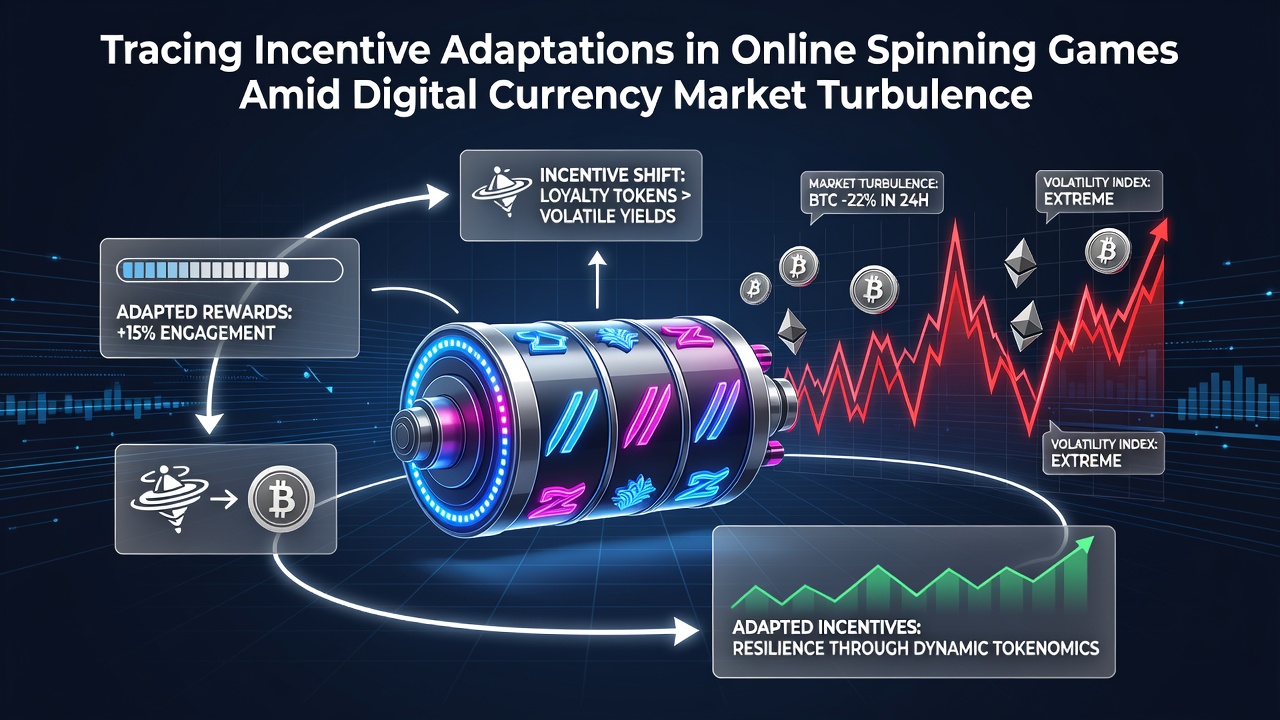
Online spinning games have adjusted reward mechanisms in response to digital currency market swings, with operators tracking volatility patterns in bitcoin and other assets to modify bonus structures and payout timelines. Data released in October 2026 from multiple gaming platforms shows increased use of stablecoin options alongside traditional bonuses when major cryptocurrencies experience rapid value changes. Observers note that these adaptations occur because platforms seek to maintain player engagement levels even as market conditions shift transaction costs and reward values.
Patterns Emerging from Market Data
Platform operators monitor cryptocurrency exchange rates daily and recalibrate incentive offers accordingly, often converting portions of rewards into fixed-value assets during periods of high turbulence while researchers at academic institutions have documented similar adjustments across several jurisdictions. One analysis covering the first three quarters of 2026 revealed that sites offering spinning games increased the proportion of rewards tied to stablecoins by approximately 18 percent compared with the previous year, and this shift coincided with documented swings in major digital asset prices. Those studying player behavior patterns find that such modifications help preserve the perceived value of promotions when underlying currencies fluctuate sharply.
Types of Adapted Incentives
Common adaptations include tiered bonus structures that activate based on current exchange rates, deposit match offers denominated in multiple currencies, and loyalty points that convert at rates adjusted for market conditions. Industry reports indicate these changes appear more frequently on platforms that accept cryptocurrency deposits, and operators have introduced caps on certain promotional values during weeks when bitcoin volatility exceeds historical averages. Players who participate in spinning games on these sites often encounter revised wagering requirements that account for the real-time value of any crypto component within the reward package.
Additional modifications involve accelerated payout processing for rewards earned in digital assets, which helps reduce exposure to price swings between the time a bonus is claimed and the moment funds become withdrawable. Figures from regulatory filings show that several North American and European operators implemented these faster processing windows starting in mid-2025, and the trend continued into 2026 as digital currency markets remained active.

Regulatory and Platform Responses
Authorities in various regions have begun requiring clearer disclosures about how digital currency fluctuations affect bonus values, and operators must now display conversion rates at the time rewards are issued. The Australian Communications and Media Authority has issued guidance on this topic, noting that transparent communication reduces disputes when asset prices move between deposit and withdrawal stages. Meanwhile, the Canadian Gaming Association has tracked similar developments among licensed platforms, where incentive terms now routinely include clauses addressing crypto market events.
Platform-level responses also include partnerships with payment processors that offer hedging tools, allowing operators to stabilize the value of rewards even when underlying digital currencies experience turbulence. These arrangements appear in operational reports from multiple providers and help maintain consistent promotional calendars throughout volatile periods.
Player Participation Trends
Participation data from spinning game environments shows that users who opt for mixed-currency incentives tend to maintain activity levels during market swings, whereas those limited to single volatile assets sometimes reduce session frequency. Studies compiled by research institutions indicate that platforms offering flexible reward conversions retain higher percentages of active accounts over multi-month observation windows. Operators continue to refine these options based on aggregated transaction records rather than individual player preferences.
Conclusion
Adaptations in online spinning game incentives continue to evolve alongside digital currency market conditions, with operators implementing currency diversification, adjusted processing times, and revised disclosure practices to address volatility. Data gathered through 2026 demonstrates measurable shifts in how rewards are structured and communicated, reflecting ongoing responses to external market factors across multiple regulatory environments.