22 Sep 2026
Competitive Roulette Tournaments and Their Perk Integration Mechanisms
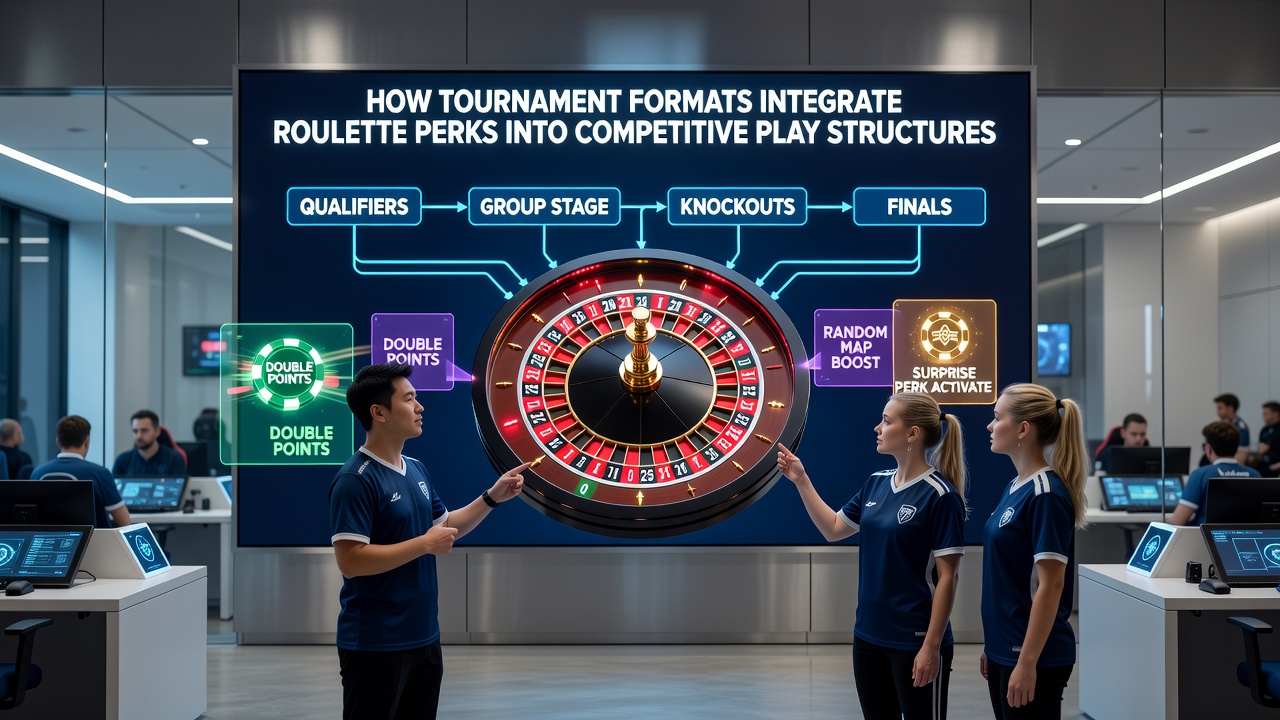 Tournament organizers have developed multiple frameworks that embed roulette-specific incentives directly into scoring systems, entry conditions, and progression rules. These structures allow participants to earn perks such as additional chip allocations or multiplier credits while maintaining strict competitive rankings based on net profit or spin efficiency metrics. Formats typically fall into three categories: leaderboard accumulation events, bracket-style elimination rounds, and endurance sessions that track consistent performance over extended periods. Each type adjusts perk delivery according to player position, with higher ranks unlocking larger reward pools funded by entry fees or operator contributions. Data from industry reports shows that leaderboard events distribute roughly 40 percent of total perks during mid-tournament checkpoints, creating sustained engagement without altering final placement calculations. Entry mechanics often require an initial buy-in that simultaneously qualifies players for baseline perks, while optional side pools grant extra spins or risk-free rounds tied to specific betting patterns. Organizers track these elements through centralized software that logs every qualifying action, ensuring transparency across participating platforms. In September 2026 several multi-jurisdictional events are scheduled to test synchronized perk systems that operate across different regulatory environments simultaneously.
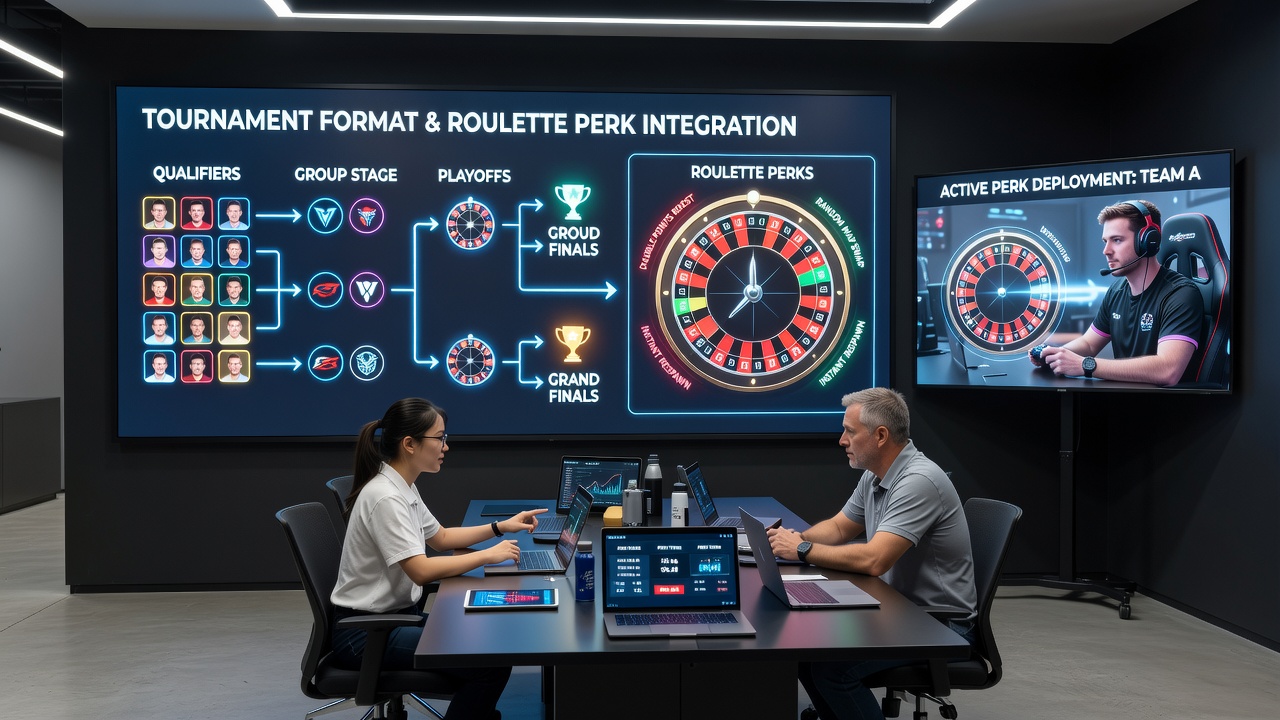 Endurance formats stretch across multiple days and award daily perk refreshes that reset at midnight local time, allowing players to rebuild chip stacks without resetting their cumulative scores. Organizers publish daily leaderboards that incorporate both raw profit and perk utilization efficiency, producing a composite ranking that rewards skillful use of incentives rather than simple accumulation. European trade association data indicates endurance events now represent 35 percent of all major roulette competitions scheduled through late 2026.
Tournament organizers have developed multiple frameworks that embed roulette-specific incentives directly into scoring systems, entry conditions, and progression rules. These structures allow participants to earn perks such as additional chip allocations or multiplier credits while maintaining strict competitive rankings based on net profit or spin efficiency metrics. Formats typically fall into three categories: leaderboard accumulation events, bracket-style elimination rounds, and endurance sessions that track consistent performance over extended periods. Each type adjusts perk delivery according to player position, with higher ranks unlocking larger reward pools funded by entry fees or operator contributions. Data from industry reports shows that leaderboard events distribute roughly 40 percent of total perks during mid-tournament checkpoints, creating sustained engagement without altering final placement calculations. Entry mechanics often require an initial buy-in that simultaneously qualifies players for baseline perks, while optional side pools grant extra spins or risk-free rounds tied to specific betting patterns. Organizers track these elements through centralized software that logs every qualifying action, ensuring transparency across participating platforms. In September 2026 several multi-jurisdictional events are scheduled to test synchronized perk systems that operate across different regulatory environments simultaneously.Leaderboard Systems and Reward Layering
Leaderboard events calculate points from roulette outcomes such as highest single-spin payout or lowest house-edge sequence, then convert those points into tiered incentives at regular intervals. Players receive credits that must be used within the same tournament window, preventing external transfers and keeping all activity contained. Research from academic gaming studies indicates that this layering increases average session length by 25 percent compared with standard cash games. Perks integrate at multiple stages, beginning with registration bonuses scaled to deposit size and continuing through milestone achievements like reaching a set number of spins. Observers note that mid-tier players frequently receive the most varied perk combinations because their point totals place them in brackets eligible for both volume-based and accuracy-based rewards. Software dashboards display real-time perk balances alongside ranking data so participants can adjust strategies accordingly.Elimination Brackets and Conditional Perks
Bracket formats introduce sudden-death elements where losing a round triggers perk resets or partial forfeitures, yet winners carry forward accumulated credits into subsequent matches. This design forces strategic decisions about when to activate earned multipliers, since unused perks expire at bracket boundaries. Figures from Canadian regulatory summaries reveal that bracket events in Ontario-licensed venues processed over 180,000 qualifying spins during the first half of 2026 alone. Conditional perks activate only after players meet performance thresholds, such as maintaining a positive return across five consecutive rounds. These conditions appear in official rule sets published by tournament hosts and receive verification through third-party auditing firms. Participants who advance deeper receive progressively larger perk values, creating a built-in incentive gradient that aligns individual goals with overall event progression.
Endurance formats stretch across multiple days and award daily perk refreshes that reset at midnight local time, allowing players to rebuild chip stacks without resetting their cumulative scores. Organizers publish daily leaderboards that incorporate both raw profit and perk utilization efficiency, producing a composite ranking that rewards skillful use of incentives rather than simple accumulation. European trade association data indicates endurance events now represent 35 percent of all major roulette competitions scheduled through late 2026.